Turkey
Turkey bridges East and West, offering HNWIs a unique blend of Ottoman prestige, Mediterranean lifestyle, and a maturing wealth ecosystem.
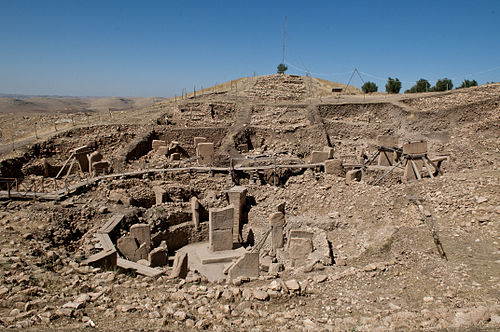
Turkey’s allure for the global elite lies in its dual identity: a cultural crossroads where Bosphorus yalıs and Aegean villas signal status, and a dynamic economy with a growing private banking sector. Istanbul’s single-family offices, rooted in industrial dynasties like Koç and Sabancı, now coexist with a fragmented advisory landscape, while the Turkish Riviera’s 300+ sunny days and superyacht marinas provide an unmatched lifestyle.
Yet the wealth ecosystem remains complex: regulatory hurdles and limited foreign bank presence contrast with the prestige of owning property in prime spots, where values appreciate over 20% annually. For HNWIs, Turkey offers a high-risk, high-reward environment where cultural capital and tax efficiency can converge—if navigated with expert local counsel.


Tax advantages
- Turkey offers a territorial tax system, exempting foreign-sourced income for residents who do not transfer funds to Turkey.
- No wealth tax or inheritance tax on assets held abroad, making it attractive for offshore structures.
- Reduced corporate tax rates (20%) and investment incentives for qualifying sectors like technology and manufacturing.
- Double tax treaties with over 80 countries, minimizing withholding taxes on dividends and interest.
Tax disadvantages
- Residents are taxed on worldwide income if they transfer foreign earnings to Turkey, creating a potential trap for the unwary.
- High social security contributions (up to 37.5%) for employees and employers, increasing payroll costs.
- Complex tax compliance with frequent legislative changes, requiring constant monitoring by local advisors.
Residency advantages
- Turkey’s Citizenship by Investment program offers a fast track to citizenship with a $400,000 real estate purchase, no physical stay required.
- Residency permits are straightforward for property owners, with renewal tied to continued ownership.
- Istanbul’s international schools and hospitals provide world-class services for families.
- Strategic location with visa-free or e-visa access to over 110 countries for Turkish passport holders.
Residency disadvantages
- Political and economic volatility can affect property values and currency stability, posing risks for long-term residents.
- Bureaucratic delays and corruption in permit renewals may require local intermediaries.
- Limited access to EU residency or work rights despite Turkey’s customs union with the EU.
Living quality
Life in Turkey’s elite enclaves offers a blend of Ottoman grandeur and modern luxury, from Bosphorus mansions to gated communities with 24/7 security. The climate is Mediterranean, with over 300 sunny days ideal for yachting in Göcek or Bodrum. Infrastructure in Istanbul is world-class, though traffic congestion and urban chaos contrast with the serene Turkish Riviera. Safety is high in affluent areas, but petty crime can occur in crowded districts.
Best for
- Turkey suits HNWIs seeking a second passport via real estate investment, particularly those with ties to the region or a love for Mediterranean yachting. It also appeals to entrepreneurs in manufacturing or tech who can leverage investment incentives, and to families wanting elite education in a culturally rich environment. However, it is less ideal for those prioritizing political stability or a mature wealth advisory ecosystem.
Turkey sits in the Atlas region Emerging & Tax-Friendly.
See the region →